
Why 2026 Is the Year Crypto Moves Beyond Exchanges
For years, crypto has lived inside exchanges. You log in, check prices, maybe trade, and
then leave. Even if you hold assets like stablecoins, they often stay there - waiting for the
next move. That model made sense when crypto was mainly about investment.
But in 2026, that behavior is starting to shift. Crypto is no longer just something you hold -
it’s becoming something you use.
The Moment Crypto Leaves the Exchange
The real shift doesn’t happen when you buy crypto - it happens when you try to use it.
Imagine receiving payment in stablecoins. The transfer is instant, the value is stable, and
everything feels efficient. But when you try to spend it, the experience breaks. You move
funds to an exchange, convert them, withdraw, wait, and only then complete a simple
payment.
The system technically works, but it turns what should be a smooth, instant experience
into something slower and more fragmented.
Why Exchanges Are No Longer Enough
Exchanges were built for trading, not for everyday spending. They focus on liquidity and
access, but not on what happens after you leave the platform.
That’s why the experience feels incomplete. You might have money available, but it isn’t
immediately usable. There’s always an extra step that gets in the way before you can
actually use it.
As more users hold stablecoins and receive crypto payments, this gap becomes more
visible. You don’t just want access anymore - you want your money to work the moment
you need it.
What’s Changing in 2026
Several shifts are happening at once. Stablecoins are becoming more common, giving
users predictable digital value. More people are earning and spending globally, which
makes traditional systems feel slower and less flexible. At the same time, payment
infrastructure is improving, focusing not just on moving money, but on making it instantly
usable.
This changes expectations. Instead of adapting to the system, you expect the system to
adapt to how you already pay.
Why Exchanges Are No Longer Enough
Exchanges were designed around trading activity - entering positions, managing liquidity,
and moving between assets.
But everyday spending follows a completely different pattern. It’s immediate, contextual,
and doesn’t allow for preparation.
That’s where the mismatch appears. Even if your funds are available, they’re not
structured for direct use in real-world payments.
As more people start receiving and holding stablecoins, this gap becomes harder to
ignore.
Access to value is no longer enough - it needs to be ready to use without changing how
you pay.
When Crypto Starts to Feel Natural
The experience changes when those extra steps disappear.
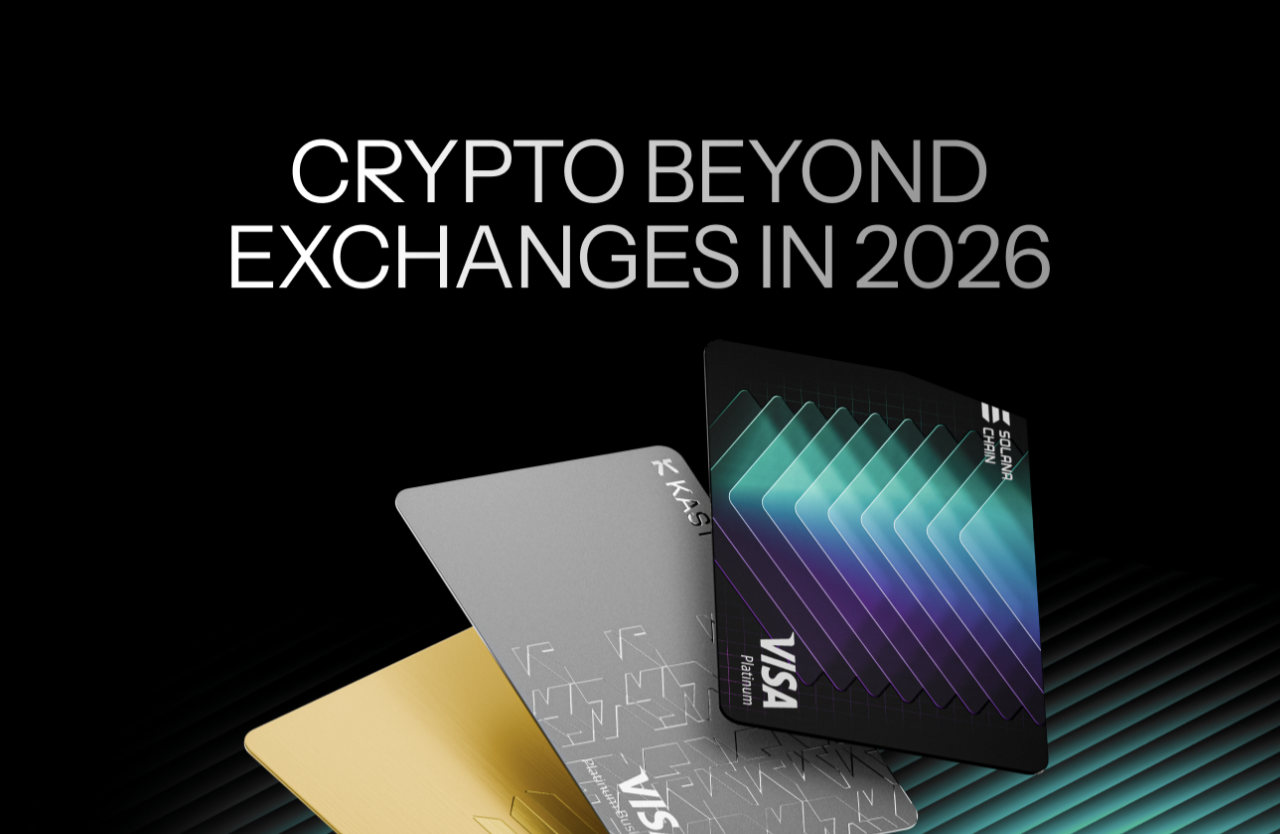
With a solution like KAST cards, your stablecoin balance is already connected to a
payment method you can use directly. You don’t need to move funds or prepare anything
before paying. Whether you’re booking a flight, paying for a subscription, or shopping in-
store, the flow stays the same.
You can tap your phone using Apple Pay or Google Pay, pay online, or use a physical
card - just like you would with any regular payment method. At the moment you pay, the
conversion into local currency happens automatically in the background, so the transaction
feels simple and predictable.
This is where the difference becomes clear in real life. Instead of dealing with manual
conversions, moving funds between wallets, or guessing how much crypto you need to
cover a payment after fees, you can complete the transaction directly with clear pricing
upfront.
Over time, the experience starts working in your favor. Everyday spending like transport,
food, and subscriptions can earn USD cashback, so routine payments add value. As you
keep using it, those small gains gradually build up.
Crypto stops feeling like something you manage and starts becoming something you rely
on.
When Money Becomes Instantly Usable
When your money works consistently, your behavior changes without you noticing.
You stop planning around payments. You don’t check systems before acting. You don’t
think about where your money is or how to prepare it. You simply use it.
That’s what moves crypto beyond exchanges - not more features, but fewer interruptions
between deciding and paying.
The Bigger Picture
Exchanges are still important. They will continue to play a central role in trading, liquidity,
and access to digital assets. But they are no longer where the user experience ends.
What’s changing is how value moves after that point. It’s no longer enough for crypto to be
fast and global - it needs to be immediately usable without additional steps or decisions.
As more people earn in stablecoins and interact with global services, expectations shift
toward simplicity. Money should not require coordination between systems or extra
preparation before it can be used.
This is where the next phase of crypto adoption takes shape - not in access, but in
execution. The ability to go from having value to using it instantly becomes the defining
factor.
That’s what separates infrastructure from real-world utility.
Final Thought
Crypto has already proven it can move value quickly and globally. What’s changing now is
how easily you can use that value in everyday life.
With tools like the KAST card, that shift becomes practical. You can go from receiving
stablecoins to spending them instantly - whether you’re paying online, tapping your phone,
or using your card anywhere in the world. The experience stays consistent, and the
complexity stays in the background.
As you continue using it, the value goes beyond convenience. Everyday spending can
generate cashback, and sharing it with others can unlock additional rewards through
referrals.
Because in the end, crypto doesn’t become part of daily life when you trade it.
It becomes part of daily life when you can use it easily, consistently, and without
changing how you pay.