
This information was prepared by the Daler Crypto Casino team. Daler is KYC friendly.
| Uploading a passport to an online platform creates a stored copy that can be exposed in a data breach. KYC data breach risk matters because ID scans hold the details criminals use for identity theft and fraud. In the first half of 2026, one US nonprofit tracked 1,803 data compromises in the United States alone. Sharing fewer documents lowers personal exposure. |
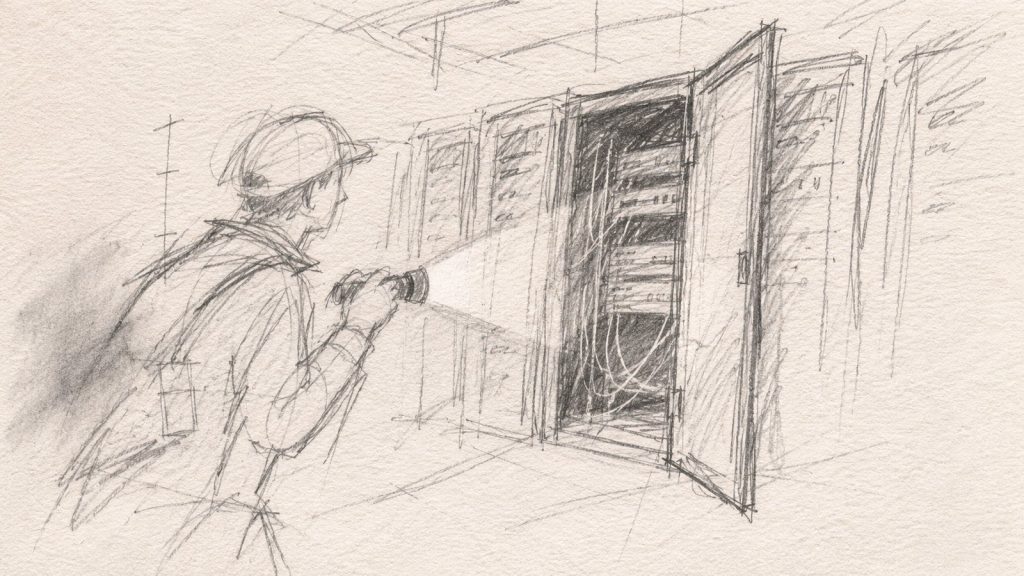
Most data breaches start quietly. A server is set up the wrong way, a password is stolen or a staff member clicks a bad link, and customers often find out weeks or months later. Understanding why ID documents are such a prize helps you decide where to share them, without losing sleep over it.
Why ID documents are valuable to criminals
A passport scan packs a lot into one image: your full name, date of birth, photo, nationality, document number and signature. That combination is exactly what someone needs to pretend to be you.
Unlike a password, you can’t change your date of birth or your face. A leaked ID stays useful to criminals for years, which makes stored KYC files an attractive target.
Criminals also combine data. A passport scan from one breach can be matched with an email and password from another, building a fuller picture of a person than either leak gives on its own.
How breaches usually happen
Breaches don’t always involve dramatic hacking. Many come from ordinary mistakes, such as a database left open online, weak access controls or a phishing email that tricks an employee into handing over a login.
Some involve insiders who misuse their access. Others hit outside suppliers, like a verification provider or cloud host, rather than the company you dealt with directly.
Nobody is immune, including large, well-funded companies.
Breaches are often discovered late, too. A company may not realize data was taken until it turns up for sale online, or until customers start reporting fraud.
The scale is large. The Identity Theft Resource Center’s latest breach report, from a US nonprofit, counted 1,803 data compromises in the United States in the first half of 2026, with more than 471 million victim notices. That’s one country’s snapshot, not a global figure, but it shows how routine breaches have become.
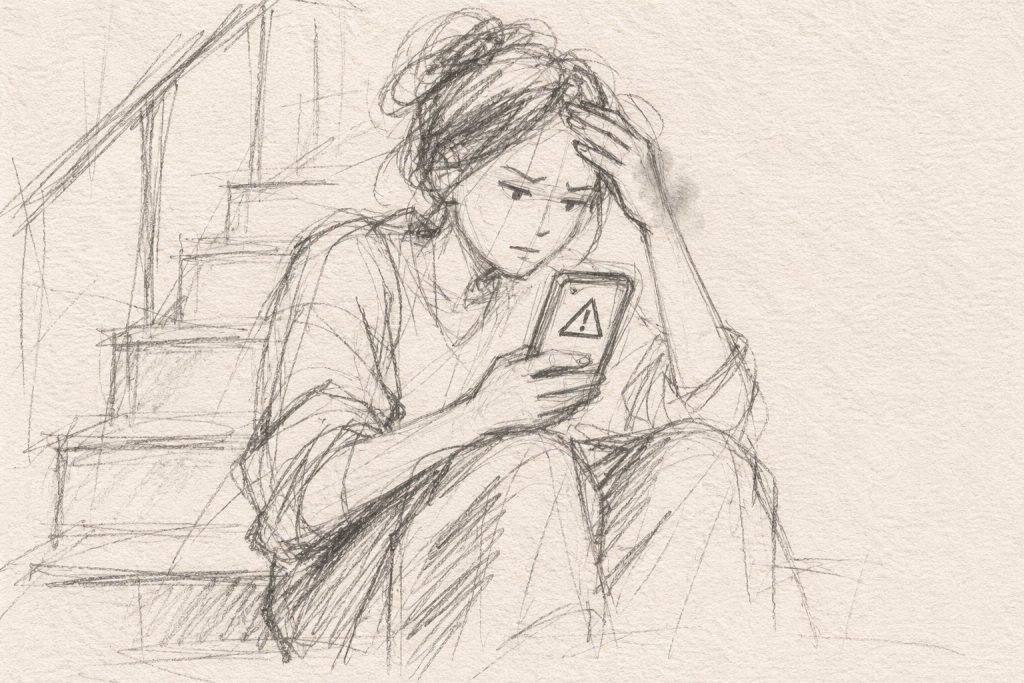
What one stolen passport scan can enable
In the wrong hands, a scanned ID can be used to open accounts in your name or pass verification checks on other services. It can support fake loan and credit applications.
It can also make scams more convincing. A fraudster who already knows your full name and date of birth sounds far more legitimate on the phone or in an email.
Most people caught up in a breach never see serious harm. When it does happen, though, the cleanup can take months of calls, forms and monitoring.
Identity theft can also be slow. A stolen ID might be used months or years after a breach, long after the news has faded.
The early signs are worth knowing. Letters about accounts you didn’t open, password reset emails you didn’t request and calls from companies you’ve never dealt with can all point to misuse. Acting quickly limits the damage.
Simple ways to lower your exposure
You don’t need to go off the grid. A few habits make a real difference:
- Share ID only when a service really needs it, and ask why if it’s unclear.
- Choose platforms that collect less data by default.
- Use unique passwords and two-factor authentication on every account that holds personal details.
- Act quickly on breach notices, starting with a password change.
- Treat unexpected messages that mention your personal details with suspicion.
None of these steps takes more than a few minutes, and together they make you a much harder target.
For online gaming, a privacy-friendly crypto platform means one less company holding your passport. The trade-off is that crypto payments can’t be reversed and dispute options may be thinner, so weigh both sides before you choose.
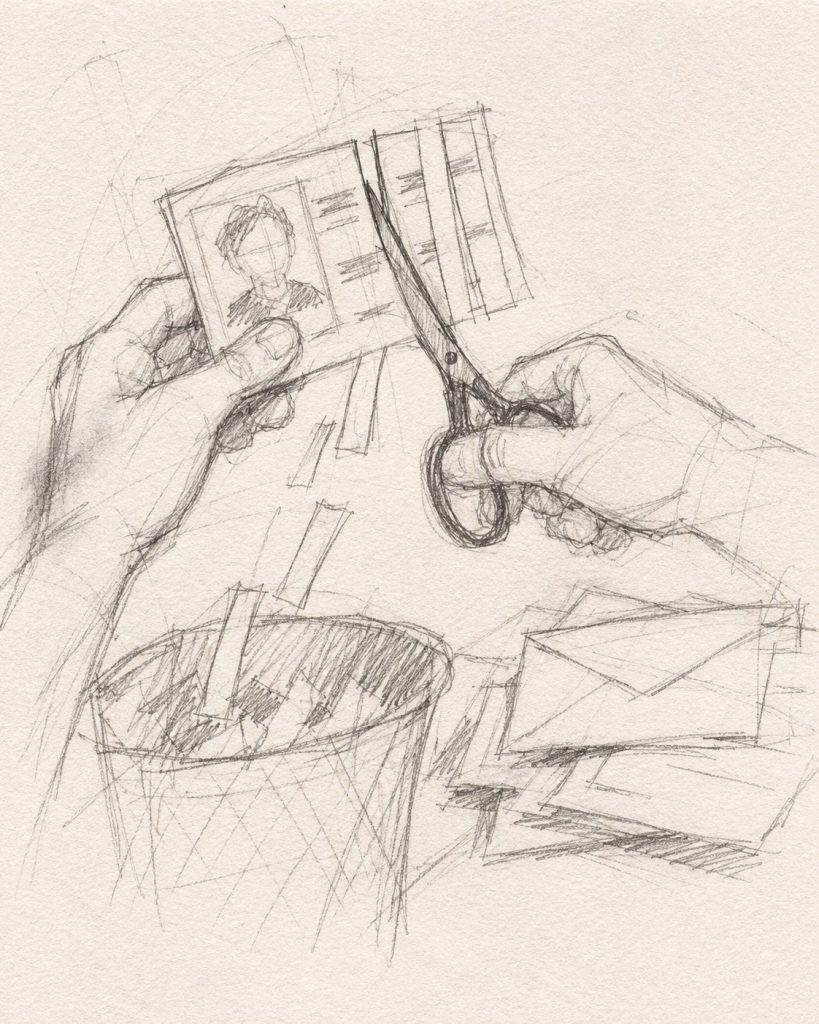
Why holding less data is safer for everyone
Data that’s never collected can’t be stolen. It’s a basic security principle, and it helps companies as much as customers. Fewer stored documents mean a smaller target and less damage when something goes wrong.
It also means fewer breach notices landing in your inbox, and fewer evenings spent changing passwords and calling your bank.
Some companies now design their services around this idea, collecting the minimum at sign-up and asking for more only when a specific situation calls for it. If a site you used does report a breach, change your password there and anywhere you reused it, then keep a close eye on your accounts for a few months.
The law on online gambling and data protection varies by country and region, so check the rules where you live. If you play, do it only if you’re 18 or older (or the higher legal age where you are), with clear limits, as entertainment.
Before your next upload, ask one plain question. Does this service need my passport, or just my email?