
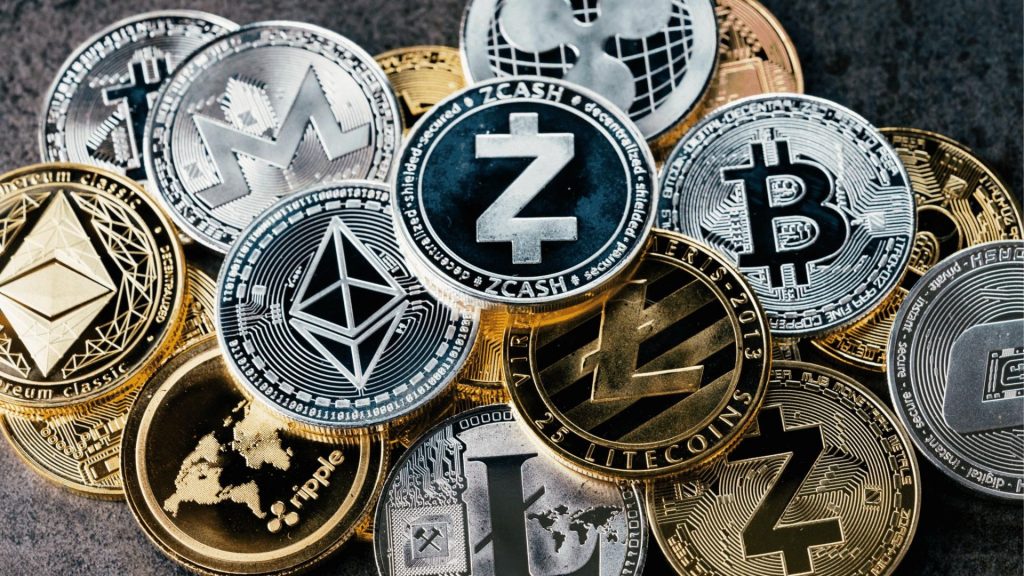
Choosing a reliable cryptocurrency exchange is one of the first challenges investors face when entering the crypto market. In Türkiye, several platforms provide access to Bitcoin, Ethereum, and other digital assets, but they differ significantly in trading fees, supported cryptocurrencies, security measures, and user experience.
The regulatory environment has also changed considerably in recent years. Since 2024, crypto asset service providers in Türkiye have been brought under the regulatory supervision of the Capital Markets Board (CMB), locally known as the SPK.
So, what are the best crypto exchanges in Türkiye in 2026?
Midas Kripto, Binance TR, BtcTurk, Paribu, OKX TR, Garanti BBVA Kripto, and Bybit TR are among the platforms worth considering for cryptocurrency trading in Türkiye.
However, there is no single exchange that can be considered the safest or best choice for every investor. Someone purchasing Bitcoin for the first time may have very different expectations from an experienced trader who regularly buys and sells cryptocurrencies.
In this guide, we compare 11 cryptocurrency exchanges serving the Turkish market, examining their trading costs, usability, asset selection, corporate background, and security considerations.
Last reviewed: October 26, 2026. This comparison is based on publicly available product information, published fee schedules, and regulatory records. It does not include independent testing of account opening, order execution, or customer support.
What Are the Best Crypto Exchanges in Türkiye?
Before choosing a cryptocurrency exchange in Türkiye, investors should consider how they intend to use the platform.
For those who only want to purchase Bitcoin or Ethereum, a straightforward mobile application and transparent trading fees may be sufficient. Investors interested in altcoins may prioritize the number of supported cryptocurrencies and available trading pairs.
Active traders, meanwhile, often place greater importance on liquidity, order types, execution quality, and transaction costs.
The following table provides an overview of 11 cryptocurrency platforms available in the Turkish market.
| Crypto Exchange | Main Strength | Best For |
| Midas Kripto | 350+ cryptocurrencies, transparent fees, Midas investment ecosystem | Beginners and multi-asset investors |
| Binance TR | Turkish lira trading pairs and multiple trading options | Active crypto investors |
| BtcTurk Kripto | Long-established presence in Türkiye | Investors who prefer a local platform |
| Paribu | Local market experience and various trading pairs | Everyday crypto investors |
| OKX TR | Spot trading tools and order options | Experienced traders |
| Garanti BBVA Kripto | Cryptocurrency services associated with a banking brand | Traditional finance users |
| Bitlo | Cryptocurrency selection, staking, and recurring investment features | Altcoin and product-focused investors |
| CoinTR | Spot trading, trading bots, and VIP services | Active and high-volume traders |
| Bybit TR | Trading-oriented interface and security features | Users focused on trading functionality |
| KuCoin TR | Turkish lira transactions and local services | Investors exploring alternative platforms |
| Gate TR | Local corporate structure and TRY-supported services | Users comparing different trading options |
This comparison is not a definitive ranking of safety or financial performance. Features, fees, and availability may change over time.
1. Midas Kripto
Midas Kripto is a cryptocurrency trading platform operating in Türkiye and associated with the broader Midas investment ecosystem.
The Midas brand is known for providing access to investment products such as Borsa İstanbul stocks, US equities, and investment funds. Cryptocurrency services are offered through a separate legal entity, Midas Kripto Varlık Alım Satım Platformu A.Ş.
One of Midas Kripto’s distinguishing features is its combination of a straightforward mobile interface and an extensive cryptocurrency selection. The platform provides access to more than 350 cryptocurrencies, including Bitcoin and Ethereum.
Its commission structure is based on users’ trading volume over the previous 30 days. Standard trading fees start at 0.15% and can decrease to 0.10% at higher trading volumes.
Beyond conventional cryptocurrency trading, Midas Kripto offers features for exploring decentralized finance (DeFi) projects and non-lock-up staking services for selected digital assets. These products have their own conditions and risks, which investors should review separately.
Its connection to the wider Midas ecosystem may also be useful for existing Midas customers. Eligible users can transfer funds between their Midas investment and Midas Kripto accounts, subject to the applicable account and transfer conditions.
This combination of asset selection, accessible mobile navigation, and integration with related investment services makes Midas Kripto an option worth evaluating for users who prefer managing different investments within a connected financial ecosystem.
Key Features:
- More than 350 supported cryptocurrencies
- Trading commissions ranging from 0.10% to 0.15%
- Straightforward mobile experience and account opening
- DeFi exploration and selected staking services
- Connection to the broader Midas investment ecosystem
Best For: Investors looking for a user-friendly cryptocurrency platform with broad asset coverage, particularly those who also follow traditional investment markets.
2. Binance TR
Binance TR provides cryptocurrency trading services for the Turkish market and is associated with the global Binance brand.
The platform supports cryptocurrency transactions using Turkish lira and offers various trading pairs and order options.
Binance TR’s commission structure distinguishes between maker and taker orders, meaning transaction costs may vary depending on how trades are executed.
Additional fee discounts and trading features may also be available under certain conditions. However, these benefits do not necessarily apply to every trading pair or customer category.
Investors should also distinguish Binance TR from the global Binance platform. The two services should not automatically be treated as identical in terms of legal entities, available products, transfer policies, or fees.
Key Features:
- Turkish lira cryptocurrency trading pairs
- Different order execution options
- Maker/taker commission structure
- Supported TRY deposit and withdrawal methods
- Additional trading features and potential fee discounts
Best For: Investors who trade cryptocurrencies regularly and want access to a variety of TRY trading pairs.
3. BtcTurk Kripto
BtcTurk Kripto is one of the cryptocurrency exchanges with a long operating history in Türkiye.
The platform is widely recognized among local investors interested in Bitcoin and other digital assets. Over time, it has expanded its cryptocurrency selection and trading functionality.
Users can trade through Turkish lira and other supported trading pairs. Commission rates depend on trading volume, market conditions, and order type.
According to BtcTurk’s fee schedule published on September 29, 2026, entry-level TRY trading pairs carry maker fees of 0.12% and taker fees of 0.24%. Different rates apply to crypto-to-crypto transactions.
Investors should pay particular attention to differences in total transaction costs across trading pairs.
For example, purchasing Bitcoin directly through BTC/TRY may produce different costs than first purchasing another cryptocurrency and subsequently converting it into BTC.
Past operational incidents and current withdrawal conditions should also form part of any security assessment.
Key Features:
- Long-established presence in the Turkish market
- Turkish lira trading
- Multiple cryptocurrency trading pairs
- Tiered commission structure
- Mobile trading services
Best For: Investors who prefer an established local trading platform and want access to different order types.
4. Paribu
Paribu is a Türkiye-based cryptocurrency exchange offering digital asset trading services.
The platform provides access to various cryptocurrencies and trading options involving Turkish lira.
Its commission structure can vary according to customers’ trading volumes over the previous 30 days.
According to Paribu’s fee schedule updated in October 2026, entry-level TRY trading pairs carry maker fees of 0.12% and taker fees of 0.28%. Different rates apply to USDT trading pairs.
This illustrates why comparing exchanges solely by their advertised commission rates can be misleading.
The applicable trading pair, order type, and user’s transaction volume can all affect the total cost.
Paribu also offers additional digital asset services and investment-related features, which may be relevant depending on an investor’s interests.
Key Features:
- Local cryptocurrency trading experience
- Turkish lira transactions
- Multiple crypto trading pairs
- Trading-volume-based fees
- Additional investment-related services
Best For: Investors looking for a Türkiye-based exchange offering different cryptocurrency trading options.
5. OKX TR
OKX TR offers cryptocurrency trading services tailored to the Turkish market.
The platform supports Turkish lira deposits and withdrawals alongside spot trading in supported cryptocurrency pairs.
Its maker/taker commission structure means that fees can differ depending on the type of order placed.
OKX TR’s trading functionality may be particularly relevant for users who understand limit orders, market orders, and different trading strategies.
However, investors should not assume that every product available on the international OKX platform is also offered to OKX TR customers.
For example, global OKX services, locally available spot trading products, and Web3 wallet functionality should be evaluated separately.
Checking the specific legal entity and the applicable product terms is an important step before opening an account.
Key Features:
- Spot trading functionality
- Different order types
- Turkish lira bank transfers
- Maker/taker commission model
- Market information and trading tools
Best For: Experienced cryptocurrency investors seeking greater control over order placement and execution.
6. Garanti BBVA Kripto
Garanti BBVA Kripto offers cryptocurrency trading and custody-related services associated with the Garanti BBVA brand.
It may appeal to investors who value connections to established financial institutions when evaluating digital asset platforms.
The platform offers access to cryptocurrencies including Bitcoin, Ethereum, Solana, and other supported digital assets.
An interesting feature is its publicly available information about whether individual cryptocurrencies support trading, deposits, or withdrawals.
This distinction matters because a cryptocurrency being available for purchase does not necessarily mean deposits and withdrawals are supported across every blockchain network.
Investors should also remember that a cryptocurrency platform’s association with a banking brand does not mean cryptocurrency investments receive the same protections as traditional bank deposits.
Key Features:
- Association with a traditional financial services ecosystem
- Cryptocurrency trading and custody-related services
- Published asset availability information
- Deposit and withdrawal status by supported asset
- Access to selected cryptocurrencies
Best For: Investors interested in cryptocurrency services connected to an established financial institution.
7. Bitlo
Bitlo is a Türkiye-based cryptocurrency trading platform.
Alongside established cryptocurrencies such as Bitcoin and Ethereum, the platform provides access to alternative digital assets and various investment-related features.
Bitlo promotes services including staking, recurring investment options, social trading, and different order functionalities.
These features may be relevant to users who want to explore strategies beyond occasional spot cryptocurrency purchases.
However, staking and social trading carry risks that differ from simply buying and holding Bitcoin.
Users should understand how potential returns are generated, what fees may apply, and whether assets are subject to restrictions before using these services.
Bitlo’s commission levels and account tiers should also be checked against its current official pricing information.
Key Features:
- Different cryptocurrency options
- Staking services
- Recurring investment functionality
- Social trading features
- Various trading order options
Best For: Altcoin investors and users interested in cryptocurrency products beyond standard spot trading.
8. CoinTR
CoinTR is another cryptocurrency exchange providing services in Türkiye.
After completing the required identity verification procedures, eligible users can deposit Turkish lira and trade supported digital assets.
Alongside spot markets, CoinTR provides features such as cryptocurrency conversion, trading bots, API access, and services designed for different customer tiers.
These capabilities may be relevant to active investors or users exploring automated trading strategies.
CoinTR applies a VIP-based commission structure that varies according to trading activity. Fees can also differ between TRY and USDT trading pairs.
Investors should remember that automated trading tools do not guarantee profits.
Any trading strategy should be evaluated according to its potential losses, associated fees, and market conditions.
Key Features:
- Spot cryptocurrency trading
- VIP commission levels
- Trading bots
- API access
- Services for active and high-volume customers
Best For: Active traders interested in automation, API functionality, and volume-based pricing.
9. Bybit TR
Bybit TR provides cryptocurrency trading services to users in the Turkish market.
Although the Bybit brand is internationally recognized, the services, legal terms, and operating conditions of Bybit TR should be evaluated separately.
The platform publishes information about identity verification, account security, and cryptocurrency transfer procedures.
Trading commissions and withdrawal costs may differ depending on the cryptocurrency, transaction type, and blockchain network involved.
Investors planning to transfer digital assets to external wallets should verify minimum withdrawal amounts, supported networks, and applicable fees.
Past security incidents are another important factor to consider when evaluating any cryptocurrency exchange.
A platform’s size or global brand recognition does not eliminate cyber threats or operational risks.
Key Features:
- Cryptocurrency trading interface
- Account verification and security features
- Cryptocurrency withdrawal options
- Published transaction procedures
- Trading-related support resources
Best For: Investors who want to compare trading functionality and cryptocurrency transfer conditions in detail.
10. KuCoin TR
KuCoin TR is a cryptocurrency platform associated with the international KuCoin brand and operating in Türkiye.
The platform emphasizes its local corporate structure, Turkish lira trading services, and Turkish-language support.
According to its official information, users can deposit Turkish lira through supported banking methods, including FAST, EFT, and bank transfers.
KuCoin TR also publishes information about identity verification and compliance with local regulatory requirements.
However, the cryptocurrencies and investment products available through the global KuCoin platform should not automatically be assumed to be available through KuCoin TR.
Altcoin investors should verify whether the assets they are interested in are listed on the local platform and whether the relevant trading pairs and withdrawal networks are supported.
Key Features:
- Local corporate structure
- Turkish lira deposit options
- Bank transfer support
- Connection to an international crypto brand
- Local account verification procedures
Best For: Investors exploring alternative exchanges with Turkish lira funding options.
11. Gate TR
Gate TR provides cryptocurrency trading services in Türkiye and is associated with the international Gate brand.
Its local services are provided through Gate Kripto Varlık Alım Satım Platformu A.Ş., which should be distinguished from the global Gate platform.
Investors can review Gate TR’s supported cryptocurrencies, Turkish lira trading options, and current transaction fees when comparing exchanges.
The platform also publishes corporate information, including its legal identity, company address, contact details, and capital structure.
Corporate transparency is a useful consideration when researching cryptocurrency service providers.
Nevertheless, investors should not assume that all cryptocurrencies, trading pairs, or products available on the international Gate platform can also be accessed through Gate TR.
Account eligibility, supported assets, and withdrawal methods should be verified before selecting the platform.
Key Features:
- Türkiye-based legal entity
- Publicly available corporate information
- Local cryptocurrency trading services
- Turkish lira support
- Connection to the broader Gate brand
Best For: Investors comparing local cryptocurrency providers and reviewing their corporate structures and available trading services.
Crypto Exchange Trading Fees in Türkiye: A Comparison
Trading commissions are among the most frequently compared features when choosing a cryptocurrency exchange.
However, different platforms use different methods to calculate transaction costs.
Some exchanges apply separate maker and taker fees, while others publish a single commission rate that decreases as trading volume increases.
The following table includes selected examples from publicly available fee schedules.
| Platform | Trading Fee Example | Notes |
| Midas Kripto | 0.15% | Can decrease to 0.10% with trading volume |
| Binance TR | 0.10% maker / 0.15% taker | Standard TRY fees, excluding discounts |
| BtcTurk Kripto | 0.12% maker / 0.24% taker | Entry-level TRY trading pairs |
| Paribu | 0.12% maker / 0.28% taker | Entry-level TRY trading pairs |
| OKX TR | 0.10% maker / 0.22% taker | Published standard TRY trading schedule |
| CoinTR | 0.10% maker / 0.12% taker | Standard USDT trading pairs |
| Other exchanges | Varies | Check the latest official fee schedule |
These rates are not directly equivalent because they refer to different order types, trading pairs, and customer levels. Promotions and future pricing updates may also affect them.
For smaller transactions, commission differences may appear relatively modest. However, bid-ask spreads, market liquidity, and withdrawal charges can change the total cost.
For example, a 0.15% commission on a TRY 10,000 transaction equals TRY 15, while a 0.10% commission equals TRY 10.
The difference is TRY 5.
However, if Bitcoin is offered at a higher purchase price on the exchange advertising the lower commission, the overall transaction may still be more expensive.
For this reason, the exchange with the lowest advertised commission is not necessarily the platform offering the lowest total trading cost.
Midas Kripto’s relatively simple three-tier fee structure is useful for investors who prefer understanding their commission level before placing a trade.
Other platforms may offer competitive costs for specific order types or trading strategies.
How Can You Identify a Trustworthy Crypto Exchange?
A cryptocurrency exchange should not be evaluated solely by its number of customers or brand recognition.
Security, regulatory status, operational transparency, and the ability to access customer assets are all important considerations.
1. Regulatory Status and Corporate Information
Investors should verify the legal entity providing the service and its current regulatory status.
In Türkiye, cryptocurrency service providers fall within the regulatory framework overseen by the Capital Markets Board (SPK).
However, appearing on the SPK’s provisional operating list does not automatically mean a company has received an operating license.
2. Account Security
Cryptocurrency platforms may offer identity verification, multifactor authentication, session controls, and suspicious transaction monitoring.
Users should examine which protections are available and how they are implemented.
3. Cryptocurrency Custody
The way a platform stores customer assets is a major security consideration.
Investors may want to examine cold- and hot-wallet arrangements, the segregation of customer assets from company funds, and the role of third-party custodians.
However, cold-wallet storage or reserve disclosures do not by themselves guarantee that customer assets are protected against every possible loss.
4. Deposits, Withdrawals, and Transfers
Bank withdrawals and cryptocurrency transfers can be subject to different conditions.
Minimum withdrawal amounts, supported blockchain networks, transaction fees, and legally required waiting periods should all be reviewed.
5. Security History and Transparency
Investors should consider whether a platform has experienced major security incidents, how it responded, and whether users received clear information.
No exchange should be considered entirely free from cybersecurity threats, operational failures, or market risks.
Are There SPK-Licensed Crypto Exchanges in Türkiye in 2026?
An important milestone in Türkiye’s cryptocurrency regulation was Law No. 7518, which entered into force on July 2, 2024.
This legislation brought crypto asset service providers within the regulatory authority of the Capital Markets Board.
Further regulations published on March 13, 2025, established requirements covering licensing procedures, operational standards, internal controls, capital adequacy, and custody services.
The SPK maintains a provisional public list of companies that have declared their intention to operate within the applicable regulatory framework.
This list includes entities associated with Midas Kripto, Binance Turkey, BtcTurk, Paribu, OKX TR, and other cryptocurrency platforms.
However, the regulator explicitly states that inclusion on this list does not constitute authorization.
Therefore, an exchange appearing on the SPK’s provisional list should not automatically be described as an SPK-licensed crypto exchange.
Regulators may also introduce restrictions affecting individual platforms.
For example, on September 23, 2026, the SPK decided that Bitexen could not accept new customers or list new cryptocurrencies until further notice. Existing customer transactions remained permitted under the relevant decision.
This illustrates why investors should check not only whether a company appears on the provisional list, but also whether any additional conditions or restrictions apply.
Where and How Can You Buy Bitcoin in Türkiye?
Buying Bitcoin in Türkiye generally involves opening an account with a cryptocurrency exchange that supports Turkish lira transactions.
The process usually follows five steps.
1. Choose a cryptocurrency exchange. Compare the platform’s fees, supported cryptocurrencies, and current regulatory status.
2. Create and verify your account. Register with the selected platform and complete the required identity verification process.
3. Deposit funds. Transfer Turkish lira using a supported bank deposit method.
4. Find Bitcoin. Select BTC/TRY or another supported Bitcoin trading pair and review the current market price.
5. Place your order. Choose the amount you want to invest and check the price and commission before confirming the transaction.
Bitcoin can be purchased in fractional amounts, so investors do not need to buy one entire BTC.
However, minimum order amounts vary between platforms.
Mobile-focused platforms such as Midas Kripto aim to make basic cryptocurrency transactions accessible through a relatively simple interface.
Nevertheless, investors should understand Bitcoin’s volatility and the potential risks before making a purchase.
Should You Store Cryptocurrency on an Exchange or in a Personal Wallet?
Another important decision after purchasing cryptocurrency is how to store it.
Centralized exchanges allow users to manage their digital assets through platform accounts and associated custody arrangements.
This approach can make trading more convenient but creates reliance on the exchange or its custody providers.
Personal cryptocurrency wallets, on the other hand, generally place responsibility for private keys and recovery information on the user.
Self-custody can reduce certain third-party risks, but it introduces additional responsibilities.
Losing recovery information or sending cryptocurrency to the wrong address may result in irreversible losses.
Investors should consider their transaction frequency, technical knowledge, and security preferences before choosing a custody method.
It is also important to verify whether the exchange supports withdrawals to external wallets and which blockchain networks are available.
What Should You Check Before Opening a Crypto Exchange Account?
Before registering with a cryptocurrency exchange in Türkiye, consider the following points:
- Verify the platform’s official website and mobile application publisher.
- Check the company’s legal identity and current SPK status.
- Confirm that the cryptocurrency you want to trade is supported.
- Compare commissions, spreads, and withdrawal fees.
- Review the account security features and enable available protections.
- Understand bank transfer conditions and external wallet restrictions.
- Consider custody and operational risks before depositing significant amounts.
Comparing more than one exchange can help investors make decisions based on actual trading conditions rather than relying on a single provider’s pricing.
However, maintaining accounts across multiple platforms also creates additional security and account management responsibilities.